Complete Guide to Buying a Portable Generator for Home and Business Use
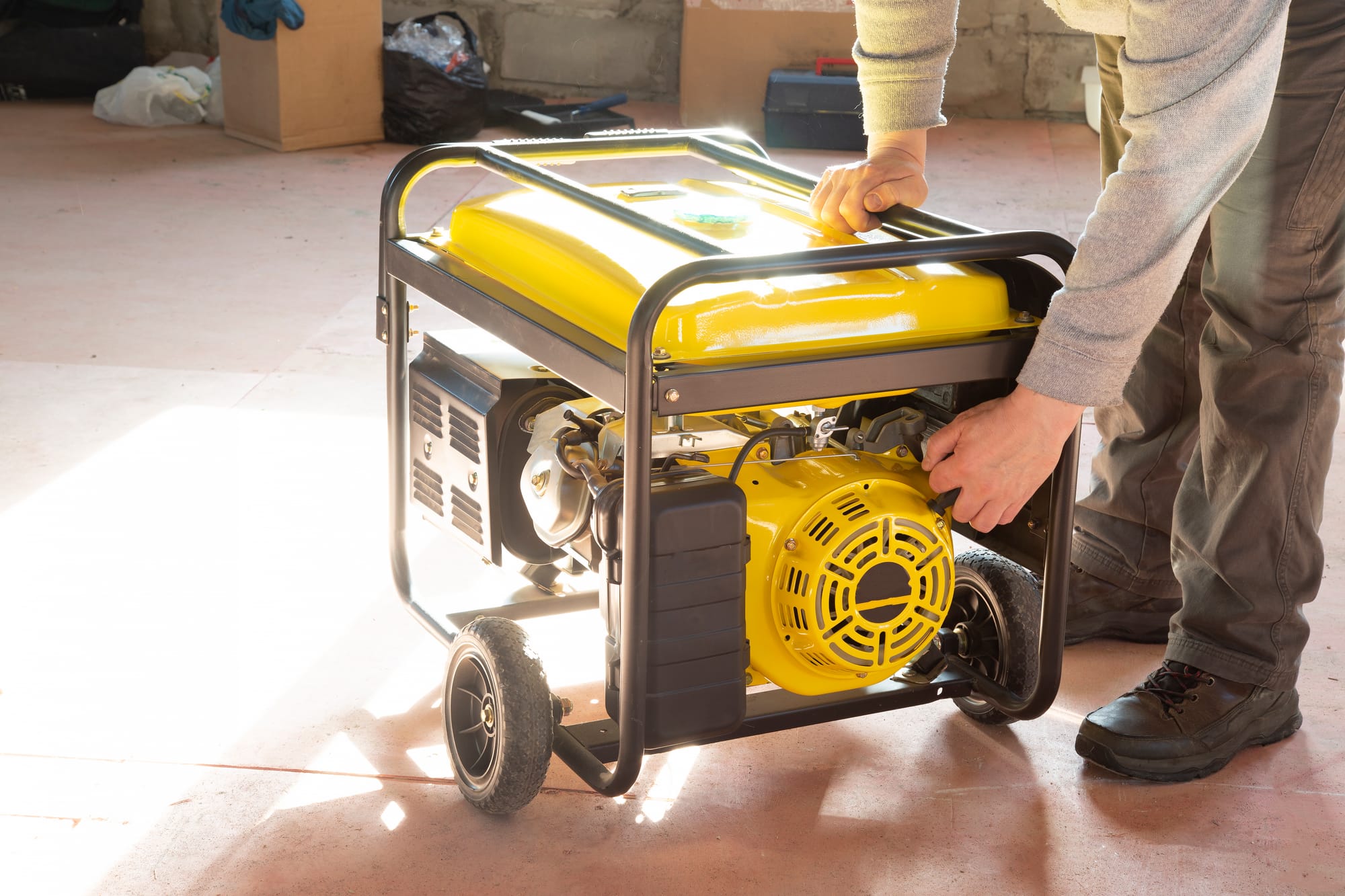
Load-shedding schedules continue to disrupt South African households and SMEs, making a portable generator indispensable. Choosing the right portable generator requires more than checking price tags; you must match power output, fuel efficiency, and portability to your specific needs. This in-depth guide explores the factors that keep your operations running smoothly, whether you manage a mobile food business or protect a suburban home office.
South Africa’s energy landscape demands flexibility. Portable solutions bridge the gap between permanent standby systems and smaller backup batteries, offering fast deployment during outages or field projects. Understanding the nuances of capacity, runtime, and safety ensures you invest in equipment that delivers consistent value. By the end of this guide you will know how to shortlist models, compare ownership options, and build a maintenance plan that keeps electricity flowing.
Why a Portable Generator Matters for South African Energy Security
Portable units provide quick relief when Eskom implements higher load shedding stages or when storms knock out local substations. They are compact enough to store in garages, service vehicles, or site containers, yet robust enough to power critical appliances, construction tools, or point-of-sale terminals. Their mobility also makes them ideal for farmers who need to run irrigation pumps across dispersed fields or event coordinators working in venues without dependable power.
Local businesses increasingly rely on portable equipment for events, construction sites, and agricultural tasks. A well-matched portable generator protects perishable goods, keeps Wi-Fi active for card payments, and supports emergency lighting during outages. Compare the resilience benefits with your risk profile to quantify how downtime affects revenue, customer trust, and safety. Many owners treat portable units as the first line of defence, allowing larger standby generator systems to remain idle until extended blackouts occur.
Define Your Power Needs for a Portable Generator
Right-sizing prevents overloads and avoids buying a model that burns unnecessary fuel. Begin with a detailed inventory of essential appliances and tools.
Audit Essential Loads
List the appliances, tools, or medical devices you must keep running. Capture starting wattages for compressors, fridges, and pumps, as these draw more power at startup. Add a 20 percent buffer to your total to ensure a portable generator can handle simultaneous surges without tripping breakers. Use wattage calculators from reputable generator suppliers or consult Vin Gen Trading for an onsite assessment.
Balance Portability and Output
Higher kVA ratings usually mean heavier frames and larger fuel tanks. Decide whether you need wheel kits, lifting eyes, or compact suitcase-style inverters. Contractors may prioritise rugged roll-cages and lifting points, while homeowners prefer lighter chassis that can move between rooms or storage sheds without injury risk. Think about how often you will move the unit and the type of terrain—pneumatic wheels excel on gravel, while rubber feet suit patios.
Plan for Outdoor and Indoor Use
Portable units must stay in well-ventilated areas to prevent carbon monoxide buildup. If you need power inside an apartment block or high-density setting, consider inverter generators with extended cabling so the unit can run safely outdoors while delivering stable power inside. Install weatherproof covers or gazebos to protect the generator during rain, but always maintain open airflow.
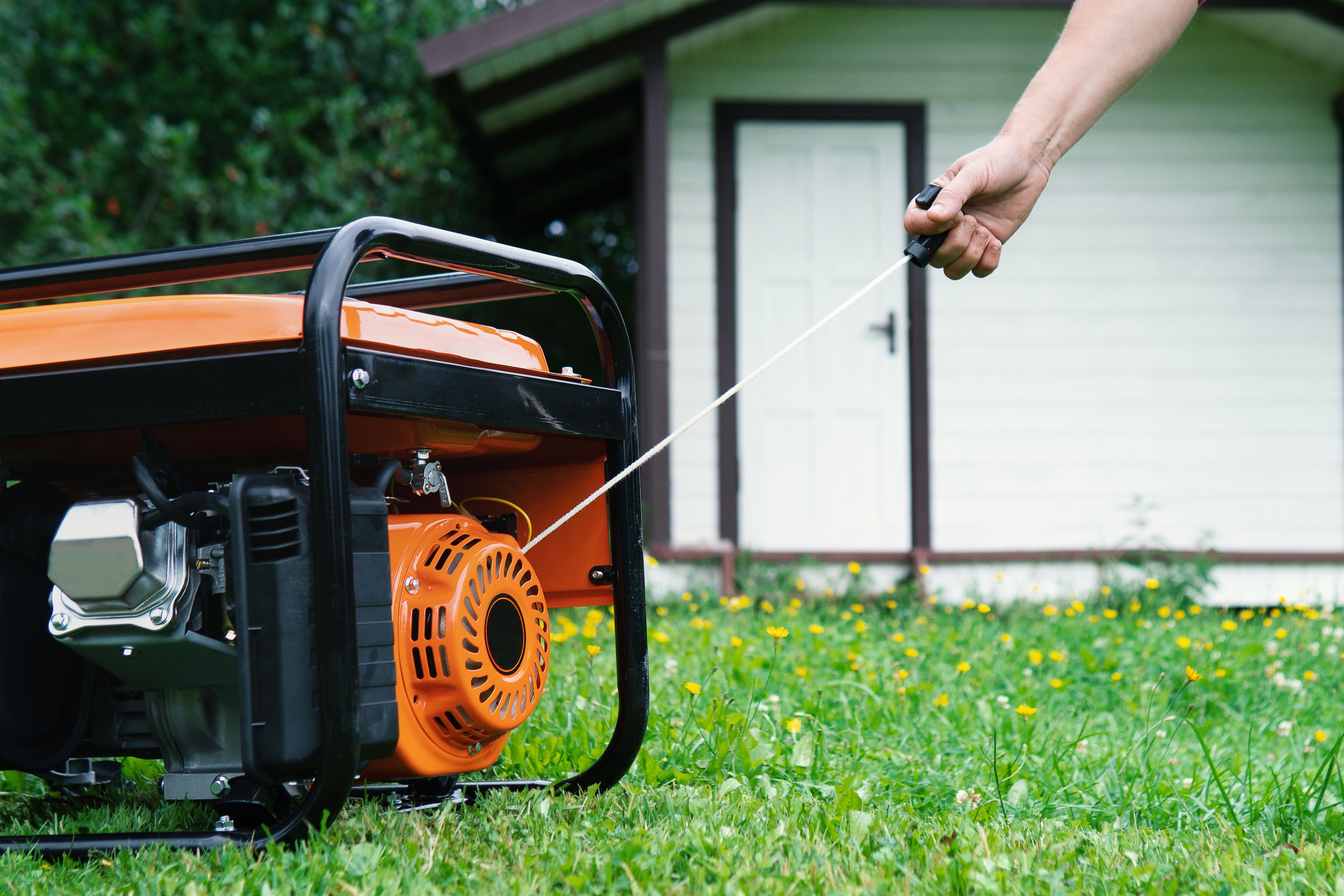
Comparing Fuel Types and Technologies
Fuel choice influences runtime, maintenance, and long-term costs.
- Petrol portable generator models start easily and cost less upfront, but their fuel can degrade during long storage periods. Stabilise petrol reserves and rotate stock frequently.
- Diesel portable generator options deliver higher torque and better fuel efficiency, making them ideal for longer outages. They also integrate smoothly with fleets that already run diesel vehicles.
- Dual-fuel or tri-fuel units accommodate LPG or natural gas, reducing emissions and offering quieter operation. They suit venues where noise control matters or where fuel deliveries are inconsistent.
- Inverter generators produce cleaner sine waves, protecting laptops and sensitive electronics. Though pricier, they deliver longer runtimes per litre and lower noise levels.
Ask suppliers how generator fuel consumption changes under different load conditions. Compare litres per hour at 25, 50, and 75 percent load to estimate your running costs and refuelling schedule. If you operate in remote areas, assess fuel availability and the logistics of transporting jerry cans or bulk tanks.
Essential Features to Look For
A robust purchasing checklist saves you from buyer’s remorse.
- Automatic voltage regulation (AVR): Keeps voltage steady while powering refrigerators, freezers, and medical devices.
- Multiple outlet types: Ensure the unit includes both 230V sockets and USB ports if you power mixed devices.
- Low-oil shutoff: Prevents engine damage and extends equipment life.
- Noise rating: Look for decibel ratings below 70 dB for residential use and compliance with event permits.
- Weatherproofing: Gasketed panels and powder-coated frames resist corrosion in coastal regions.
- Parallel capability: Some inverter models allow you to connect two identical units for double capacity when needed.
Portable generators can complement an existing standby generator system by covering remote work sites or serving as a redundancy layer. Coordinate with your electrician to ensure transfer switches prevent back-feeding into the grid and keep insurance coverage intact. Ask for demonstrations of control panels and safety features before finalising your purchase.
Budgeting, Ownership, and Rental Options
Set a realistic budget by considering more than purchase price. Include transport, protective covers, fuel storage containers, and voltage regulators if you operate sensitive electronics. Request total cost of ownership models that highlight expected maintenance and component replacements over five years. Compare warranty length, availability of spare parts, and labour rates for authorised service centres.
Vin Gen Trading offers flexible financing and generator rentals for clients who need temporary power during construction or seasonal demand. Rentals can be a stepping stone for startups testing capacity requirements before purchasing a permanent asset. When comparing offers, note delivery fees, setup assistance, and penalties for late returns. Ask whether rental agreements include operator training or on-call support during large events.
Consider bundling accessories such as extension leads, changeover switches, and weatherproof enclosures. Negotiating these extras upfront often costs less than buying them piecemeal later. If you plan to integrate the portable generator with solar or battery systems, budget for compatible connectors and automatic transfer switches.

Maintenance and Safety Best Practices
A well-maintained portable generator performs reliably when you need it most.
- Routine inspections: Check oil levels, air filters, and spark plugs before every use. Replace components according to manufacturer schedules.
- Fuel management: Store diesel or petrol in certified containers, label dates clearly, and keep supplies away from open flames or heat sources.
- Run exercises: Test the unit monthly under load for at least 20 minutes to keep seals lubricated and batteries charged.
- Safety protocols: Use heavy-duty outdoor-rated extension cords, earth the generator where required, and install carbon monoxide alarms near occupied rooms.
- Record keeping: Log runtime hours, maintenance tasks, and fault codes. These records support warranty claims and inform future purchasing decisions.
Vin Gen Trading’s technicians provide generator maintenance services tailored to portable units, including load testing and emissions checks. Homeowners can reinforce resilience by pairing a portable generator with a home generator strategy that covers both mobile and fixed backup scenarios. Businesses with mobile fleets should train staff on safe loading, secure transport, and emergency shutdown procedures.
Assessing Noise and Emissions Regulations
Municipal bylaws and event permits often specify acceptable noise levels during particular hours. Measure potential noise impact in decibels and choose models with eco-modes or add-on silencers to comply. For indoor applications, consider exhaust extensions that vent fumes away from crowds without violating safety codes.
Emissions regulations now cover particulate output and fuel storage requirements. Keep fire extinguishers nearby, maintain spill kits, and store fuel within bunded areas. If you operate in eco-sensitive zones, evaluate biofuel-compatible engines or catalytic converters that reduce environmental impact.
Integrating Portable Generators with Other Backup Systems
Hybrid energy strategies are gaining traction across South Africa. Coordinate your portable generator with solar arrays, battery storage, or UPS systems to create layered resilience. Automatic transfer switches detect outages and activate the generator while protecting electronic equipment from surges. After power returns, the system disconnects seamlessly to recharge batteries or revert to grid supply.
A backup generator setup can also include remote monitoring modules that send SMS alerts when the unit starts, stops, or encounters alarms. These insights let you manage sites from a central control room and schedule preventative maintenance without manual inspections.
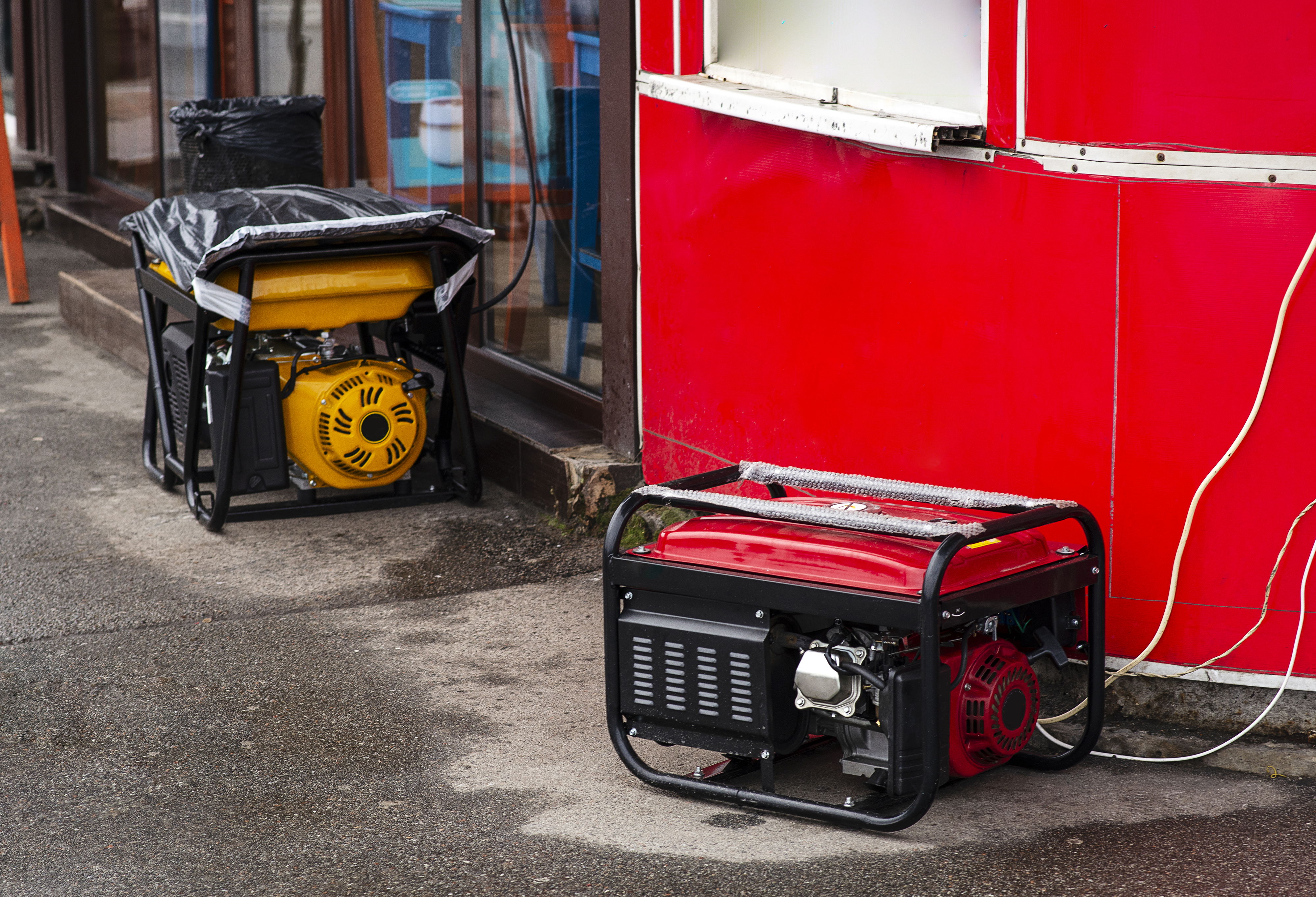
Mobility Tips for Different Use Cases
- Construction crews: Choose steel-frame generators with oversize wheels and voltage selectors for power tools of varying amperage. Add lockable fuel caps to deter theft.
- Events and hospitality: Prioritise low-noise inverter units with long runtime tanks and parallel capability to scale output. Stock spare cables and distribution boards for adaptable staging layouts.
- Agriculture: Opt for diesel models with dust-resistant filtration and IP-rated outlets that withstand irrigation environments. Mount the unit on a trailer for rapid relocation between pivots or outbuildings.
- Mobile health clinics: Select medical-grade outlets, clean sine wave output, and battery-charging capability for refrigeration of vaccines or medications.
Document each deployment, noting runtime hours, load levels, and any faults. These records simplify warranty claims and help you refine future portable generator purchases.
Conclusion: Invest in a Portable Generator with Confidence
A portable generator keeps your household comfortable, safeguards business continuity, and provides energy independence during grid instability. By sizing loads correctly, comparing fuel technologies, and following disciplined maintenance routines, you unlock reliable power wherever work or downtime takes you. Vin Gen Trading’s specialists help you shortlist models, arrange financing or rentals, and train your team so every outage becomes a minor inconvenience instead of a crisis.
FAQs
How many appliances can a portable generator run at once?
Add up the running wattages of planned devices and ensure the total stays below 80 percent of the generator’s rated output. Always prioritise essential loads and avoid daisy-chaining extension cords.
Can I use a portable generator to power sensitive electronics?
Yes, choose an inverter portable generator or a unit with AVR to produce clean voltage. Use surge protection for added security.
What is the best way to transport a portable generator safely?
Secure the generator upright in your vehicle, drain or cap fuel lines, and use tie-down points on the frame. Allow the engine to cool completely before loading.