How to Choose the Best Diesel Generators for Sale in South Africa
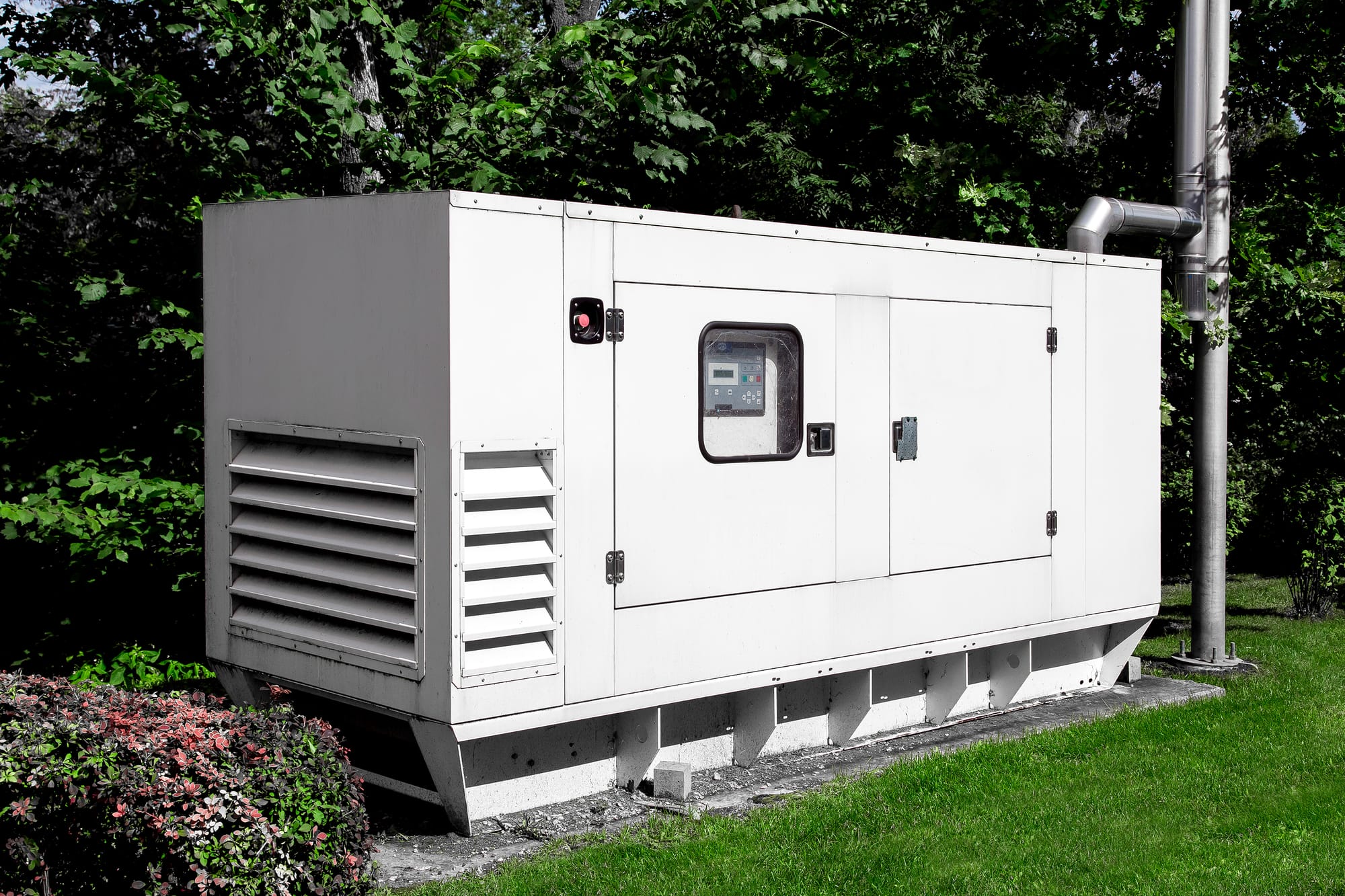
South African businesses and households rely on diesel generators for sale to bridge recurring load shedding gaps and protect revenue. The right machine balances capacity, durability, compliance, and long-term value. This guide explains how to evaluate suppliers, compare specifications, and plan installation so you can invest with confidence and keep the lights on through every outage.
Extreme load shedding stages, rising fuel prices, and evolving emissions standards have transformed the generator buying journey. Buyers now expect turnkey solutions that integrate with existing solar or battery systems, deliver remote monitoring, and include proactive maintenance. Understanding these market shifts will help you shortlist vendors that deliver sustainable energy resilience.
Understanding the South African Generator Market
The local generator landscape includes multinational brands, regional wholesalers, and specialist distributors such as Vin Gen Trading. Demand spikes during severe load shedding stages, so stock levels and lead times fluctuate. Start by reviewing generator prices in South Africa alongside the service footprint promised by each vendor. A dependable partner offers factory warranties, certified technicians, and transparent delivery schedules that cover both urban and rural sites.
Silent diesel generators remain popular for suburban homes, retail centres, and office parks because they reduce noise complaints while delivering steady output. Industrial generator options, on the other hand, prioritise higher kVA ratings and rugged frames for mines, factories, and farms dealing with heavy three-phase loads. Confirm that the supplier you choose maintains parts for both ends of the spectrum. That detail keeps downtime low when maintenance or repairs are due and proves vital when border delays disrupt component imports.
Ongoing load shedding and regulatory updates mean alternative power strategies must stay flexible. Evaluate how each supplier supports hybrid systems that blend diesel, solar, and UPS technologies. Ask about integration with smart building platforms, energy-efficient enclosures, and emissions reduction accessories such as diesel particulate filters.
Reputation matters as much as catalogue size. Compare case studies, testimonials, and after-sales commitments from generator suppliers such as Genset SA or Gentech Power. Look for evidence of successful alternative power projects in climates similar to yours. Reliable partners also advise on compliance with municipal noise bylaws, fuel storage regulations, and insurance requirements that affect large-capacity installations.
Assessing Your Power Requirements
Sizing mistakes lead to wasted diesel or unplanned outages, so invest time in a thorough load audit of every appliance and machine you need to support. List starting and running wattages, then apply a safety margin of at least 20 percent to cover spikes when multiple devices start simultaneously.
Calculate Load Needs
Group equipment by priority. Critical systems—servers, point-of-sale devices, medical equipment, cold storage—must run uninterrupted during Eskom load shedding. Secondary loads like air conditioning or signage can stay offline during peak demand periods. This approach helps you determine whether a 10 kVA silent diesel generator, a 20 kVA mid-range unit, or a 30 kVA heavy-duty model best matches your operations. For residential estates, calculate per-household consumption and multiply by the number of units you expect to support.
Consider Fuel Efficiency
Fuel pricing fluctuates weekly, so efficiency directly affects lifetime costs. Modern common-rail engines, improved alternators, and smart throttles stretch every litre. Look for models that publish verified consumption figures at 50 percent and 75 percent load, as well as detailed emissions data. Those metrics simplify comparisons among affordable diesel generators and premium sets, and they highlight savings when you upgrade from older, less efficient machines.
Plan for Future Expansion
Business growth, added refrigeration, or new production lines will change your load profile. Discuss expansion plans with your supplier to determine whether a modular setup or paralleling-ready generator makes sense. Future-proofing now prevents expensive upgrades later and ensures your generator investment remains valuable for a decade or more.
Homeowners should map essential circuits—lighting, security, internet routers, borehole pumps—and consider automation to shed noncritical loads during outages. Smart load management panels allow you to prioritise appliances with a mobile app, making diesel consumption more predictable and affordable.
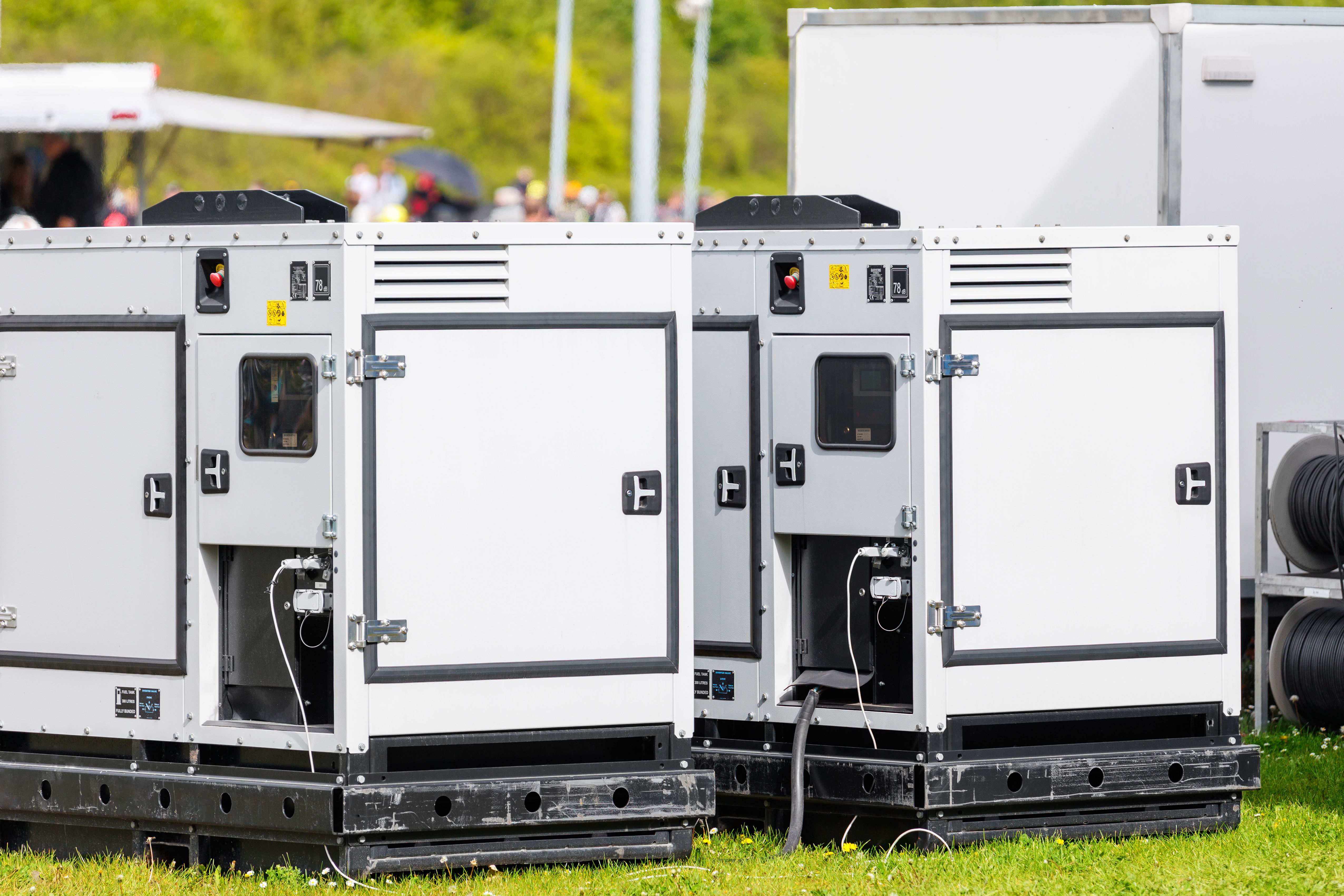
Evaluating Diesel Generator Features
Beyond power output, pay attention to build quality and control systems that shape daily operation.
- Engine pedigree: Perkins, Cummins, and Volvo Penta engines have proven reliability in African conditions and maintain strong parts availability.
- Alternator design: Copper windings deliver stable voltage, protecting sensitive electronics and prolonging equipment life.
- Sound attenuation: Acoustic canopies, residential silencers, and anti-vibration mounts matter in urban or hospitality settings where noise restrictions apply.
- Control panels: Digital controllers with remote monitoring support proactive maintenance schedules and provide alerts via SMS or email.
- Safety mechanisms: Automatic shutdowns for low oil pressure, high temperature, or overload protect your investment and reduce fire risk.
- Fuel system configuration: Bunded bases, inline filtration, and water separators maintain fuel quality for longer storage periods.
Ask suppliers about remote generator monitoring upgrades. Cloud platforms alert you to fuel levels, battery health, and service intervals, reducing manual inspections. If you operate multiple sites, centralised dashboards help you track diesel usage, detect tampering, and schedule refuelling runs more efficiently. Consider additional accessories such as automatic transfer switches, weatherproof enclosures, and load banks for periodic testing.
Budgeting and Financing Considerations
Create a five-year cost projection that covers purchase price, installation, diesel consumption, and scheduled servicing. Factor in potential tax incentives for alternative power investments and any demand-side management rebates offered by local municipalities. Many companies now offer rental-to-own packages that spread costs over predictable monthly payments, which appeals to small businesses managing cashflow.
When comparing quotes, scrutinise what each generator supplier includes: delivery, rigging, commissioning, compliance certificates, spare parts kits, and first service visits. Evaluate warranty length, availability of replacement units during repairs, and penalties for missed maintenance intervals. Asking for a total cost of ownership model ensures you compare apples with apples instead of focusing solely on upfront price tags.
Calculate breakeven points for different fuel efficiency scenarios and consider the impact of diesel escalation. Higher-efficiency engines may cost more upfront but often deliver lower total spend after just a few hundred operating hours. Include unplanned downtime costs in your calculations—lost production or spoiled stock often outweighs marginal savings on entry-level generators.
Installation, Maintenance, and Compliance for Diesel Generators for Sale
Even the best equipment underperforms without proper siting, ventilation, and electrical integration. Professional installation keeps your system safe and compliant.
Plan for Generator Installation
Professional installation ensures safe fuel storage, compliant exhaust routing, and automatic changeover switch integration. Partner with specialists who understand South African wiring codes, municipal bylaws, and occupational health standards. Vin Gen Trading coordinates licensed electricians so your diesel generators for sale connect seamlessly to distribution boards and synchronise with solar or battery backup systems.
Build a Maintenance Schedule
Preventive maintenance protects warranties and extends generator life. Schedule oil and filter changes every 250 hours, inspect coolant systems quarterly, and run load tests monthly. Keep a logbook tracking runtime, parts replacements, and inspections, and store it near the control panel for auditor reference. Investing in backup power solutions such as smart battery chargers, automatic fuel polishing, and surge protection further stabilises performance and ensures rapid restarts after long idle periods.
Stay Compliant with Regulations
Failure to comply with fire, environmental, or noise regulations can trigger fines. Confirm that bunded fuel tanks meet SANS standards and that exhaust stacks vent away from occupied spaces. For large commercial installations, engage an environmental consultant to manage emissions reporting and apply for necessary permits. Document every inspection and keep certificates accessible for insurance audits and health-and-safety reviews.

Comparing Suppliers and Service Agreements
Strong supplier relationships reduce risk, especially when grid instability worsens. Evaluate how each company supports clients during national diesel shortages and whether they stock critical spares locally.
Inspect Warranties and SLAs
Read warranties carefully to understand coverage for engines, alternators, and control systems. Service level agreements should define response times, loan-unit availability, and after-hours support. Ask for escalation contacts and service logs from existing clients to verify performance.
Evaluate Response Times
A generator failure during peak trading hours can cost thousands of rand. Prioritise suppliers that guarantee onsite response within a set number of hours and maintain stocked workshops within driving distance. Remote sites may need dedicated maintenance plans or satellite technicians to minimise downtime.
How Vin Gen Trading Supports Your Choice
Vin Gen Trading supplies a curated range of diesel generators for sale tailored to South African conditions. Clients receive pre-sale assessments, customised acoustic enclosures, and around-the-clock support hotlines. The team recommends silent diesel generators for residential estates, while advising larger three-phase units for manufacturing and agricultural operations requiring robust torque.
Their technicians also provide generator maintenance packages, remote monitoring integrations, and rapid-response repair crews. On-site training sessions teach staff how to operate control panels, perform daily inspections, and log runtimes correctly. Should you expand into new premises, Vin Gen Trading helps redeploy existing equipment or source complementary units that parallel smoothly with your current setup.
Conclusion: Choose Diesel Generators for Sale Confidently
Investing in diesel generators for sale is easier when you understand load profiles, compare trusted brands, and plan professional installation. Vin Gen Trading helps local customers secure reliable backup power, control fuel spend, and protect mission-critical equipment through tailored service plans. Contact the team today to arrange an on-site assessment, secure compliant installation, and keep your operations productive regardless of Eskom’s schedule.
FAQs
What size diesel generator do I need for a small business?
Add the running wattages of your essential equipment, include a 20 percent buffer, and choose a generator that meets or exceeds that total. A professional installer can validate the calculation before you purchase.
How often should a diesel generator be serviced?
Service intervals depend on runtime, but most units need oil and filter changes every 250 hours. Schedule comprehensive inspections annually to maintain efficiency and safety.
Are silent diesel generators worth the investment?
Yes. Acoustic canopies, vibration damping, and advanced mufflers dramatically lower noise levels. They are ideal for homes, offices, and hospitality venues where customer comfort matters.