Step-by-Step Guide to Professional Generator Installation
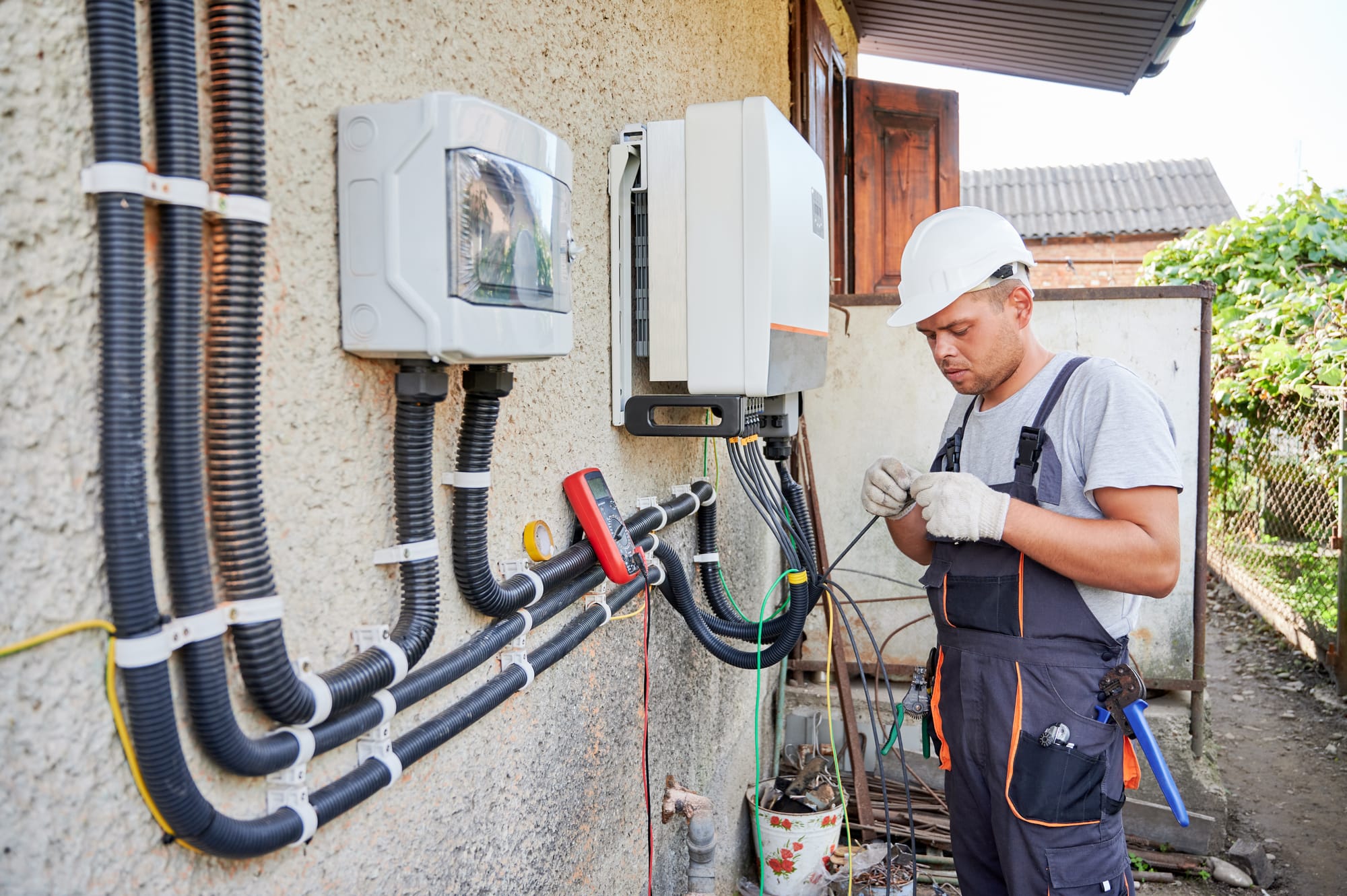
Securing reliable power starts with meticulous generator installation that meets electrical codes, safety standards, and performance expectations. Professional generator installation ensures your investment delivers stable electricity during load shedding and protects sensitive equipment from surges. This guide walks through every stage, from planning and permits to commissioning and ongoing support, so you know what to expect when working with Vin Gen Trading.
South Africa’s complex energy landscape emphasises compliance. Municipal regulations, insurance requirements, and Occupational Health and Safety Act guidelines all influence how a generator connects to your property. Partnering with qualified generator technicians keeps your project on schedule and prevents costly rework. Selecting an experienced generator company also unlocks design expertise, access to premium components, and priority support when diesel shortages or parts delays affect the market.
Why Professional Generator Installation Matters
DIY shortcuts may seem economical, but they introduce risks: voltage fluctuations, fire hazards, noise violations, and voided warranties. Professional teams calculate load profiles accurately, specify compatible components, and guarantee workmanship. They also document each step of the process, giving insurers and auditors assurance that the system is safe and compliant.
Quality generator installation extends equipment life. Correct cable sizing, balanced phases, and calibrated control panels reduce strain on engines and alternators. Specialists coordinate civil works, acoustic treatments, and fuel storage so every element works harmoniously. In the event of a fault, comprehensive commissioning records accelerate generator repair and warranty claims.
Pre-Installation Planning for Generator Installation
Thorough preparation sets the tone for a smooth project.
Energy Audit and Load Assessment
Start with a load analysis that identifies critical circuits, essential machinery, and future expansion plans. Generator installers use this data to recommend kVA capacity, phase configuration, and starting technology. They also assess power factor correction needs, especially for facilities with motors or compressors. Documenting seasonal load variations—such as cold storage spikes or irrigation cycles—prevents undersizing.
Selecting the Right Equipment
Your supplier helps evaluate generator sets, automatic transfer switches, fuel tanks, and control systems. Factors include fuel type, emissions standards, acoustic performance, and remote monitoring capabilities. Vin Gen Trading curates solutions tailored to commercial, industrial, and residential sites, ensuring the generator installation aligns with your resilience goals. For mission-critical sites, consider redundant units or synchronising capability to share load across multiple generators.
Permits, Approvals, and Documentation
Municipalities often require building plan approvals, noise studies, and environmental assessments, particularly for large gensets. Professional installers prepare drawings, single-line diagrams, and compliance letters for submission. Keeping paperwork organised accelerates approvals and avoids fines. Engage with body corporates or homeowners’ associations early to secure consensus on placement, aesthetics, and operational hours.
Coordination with Stakeholders
Successful projects rely on communication between facilities managers, electricians, fuel suppliers, and health-and-safety officers. Establish a project timeline, define responsibilities, and schedule regular progress updates. This approach keeps contractors aligned and reduces surprises once installation commences.

Site Preparation and Compliance
Once planning is complete, site works begin.
Civil and Structural Works
Installers prepare concrete plinths or suspended slabs that support generator weight and absorb vibration. They ensure drainage prevents water pooling and position exhaust stacks away from windows or air intakes. Weatherproof enclosures, acoustic canopies, and security fencing add protection in high-risk areas. In high-wind regions, anchor bolts and structural bracing prevent movement during storms.
Fuel Storage and Safety
Diesel tanks must meet SANS regulations, with bunded containment, overfill protection, and accessible shutoff valves. Installers coordinate refuelling logistics and integrate sensors for fuel level monitoring. Compliance with fire codes requires dedicated extinguishers, signage, and regular inspections. For extended autonomy, consider day tanks paired with bulk storage, along with filtration systems that remove water and particulates.
Acoustic and Environmental Considerations
Urban sites face strict noise limits. Acoustic surveys influence canopy choice, placement, and additional sound barriers. Environmental consultants may advise on emissions dispersion, especially for large backup power solutions near residential zones. Proper landscaping and airflow management also keep engines cool and reduce dust ingress.
Electrical Integration and Safety Checks
Electrical work links the generator to your distribution network.
Cable Routing and Termination
Technicians install appropriately rated cables, cable trays, and protective conduits. They minimise bends, secure terminations, and label circuits clearly. Synchronising three-phase systems involves balancing loads across phases to prevent neutral overloads. Surge arrestors protect equipment from lightning strikes and switching transients.
Automatic Transfer Switch (ATS) Configuration
An ATS detects grid failures and switches the load to generator power within seconds. Installers configure time delays, test sequences, and return-to-mains logic. They integrate surge protection and isolation mechanisms to safeguard sensitive equipment. For critical facilities, dual-ATS setups ensure redundancy and allow maintenance without downtime.
Control System Programming
Modern control panels include remote monitoring, load shedding, and event logging. Specialists program start-up parameters, voltage setpoints, and safety thresholds. Integrating SCADA or building management systems enables central oversight across multiple sites. Cybersecurity measures—strong passwords, encrypted communications, and user permissions—protect remote monitoring portals from unauthorised access.
Testing, Commissioning, and Handover
Comprehensive testing validates the installation before final approval.
Mechanical and Electrical Testing
Installers perform insulation resistance tests, phase rotation checks, and frequency stability assessments. They examine fuel, coolant, and exhaust systems for leaks and verify that vibration levels stay within acceptable ranges. Torque checks on bolts and electrical connections prevent loosening during operation.
Load Banking and Performance Verification
Load banks simulate operational conditions, allowing technicians to test at 25, 50, 75, and 100 percent load. This process confirms voltage regulation, frequency accuracy, and fuel consumption expectations. Commissioning reports document all readings for future reference. For parallel systems, they validate load sharing and synchronising functions under various scenarios.
Training and Documentation
Before handover, clients receive on-site training covering start-up, shutdown, emergency procedures, and daily inspections. Comprehensive manuals include wiring schematics, service schedules, and warranty terms. Vin Gen Trading stores digital copies so future generator technicians can access accurate records. Training often includes drills on manual transfer operations in case of controller faults.

Budgeting and Project Management Considerations
Generator projects involve capital expenditure, ongoing operating costs, and contingency planning. Create a detailed budget that covers equipment, civil works, electrical labour, fuel infrastructure, and compliance fees. Include allowances for unexpected groundworks—such as rerouting buried utilities—or structural reinforcements.
Project managers should develop Gantt charts that sequence civil, mechanical, and electrical tasks logically. Align deliveries with installation milestones to avoid storage fees or theft. Contingency plans cover adverse weather, shipping delays, or permit hold-ups, ensuring the generator installation stays on track.
Risk Mitigation and Safety Plans
Safety remains the top priority throughout installation.
- Hazard identification: Conduct risk assessments for lifting heavy equipment, working at heights, and hot works.
- Emergency response: Draft evacuation routes, spill response procedures, and first-aid plans.
- Lockout/tagout protocols: Ensure circuits are de-energised before electricians connect or disconnect conductors.
- Personal protective equipment: Enforce hard hats, eye protection, gloves, and arc-rated clothing where necessary.
Regular toolbox talks keep teams aware of evolving site conditions, and incident reporting systems promote accountability.
Aftercare: Maintenance, Monitoring, and Support
A generator installation only delivers value when paired with proactive maintenance.
- Scheduled servicing: Adhere to intervals for oil changes, filter replacements, and coolant tests. Vin Gen Trading’s generator maintenance packages include condition monitoring and predictive analytics.
- Remote monitoring: Telemetry modules track run hours, fuel levels, and alarms. Automated alerts notify you of issues before they escalate.
- 24/7 support: Access to trained technicians ensures rapid response for repairs, parts replacements, or performance optimisations.
- Compliance audits: Annual inspections verify continued adherence to insurance and municipal requirements, documenting any upgrades or modifications.
- Lifecycle planning: Analyse operational data annually to decide when to overhaul engines, upgrade control panels, or integrate additional backup power solutions.
Vin Gen Trading also integrates your generator installation with battery storage or solar arrays, creating layered resilience strategies. Data from monitoring systems informs optimisation decisions, such as adjusting load shedding schedules or upgrading components. Their support teams stock critical spares locally, reducing downtime if unexpected failures occur.
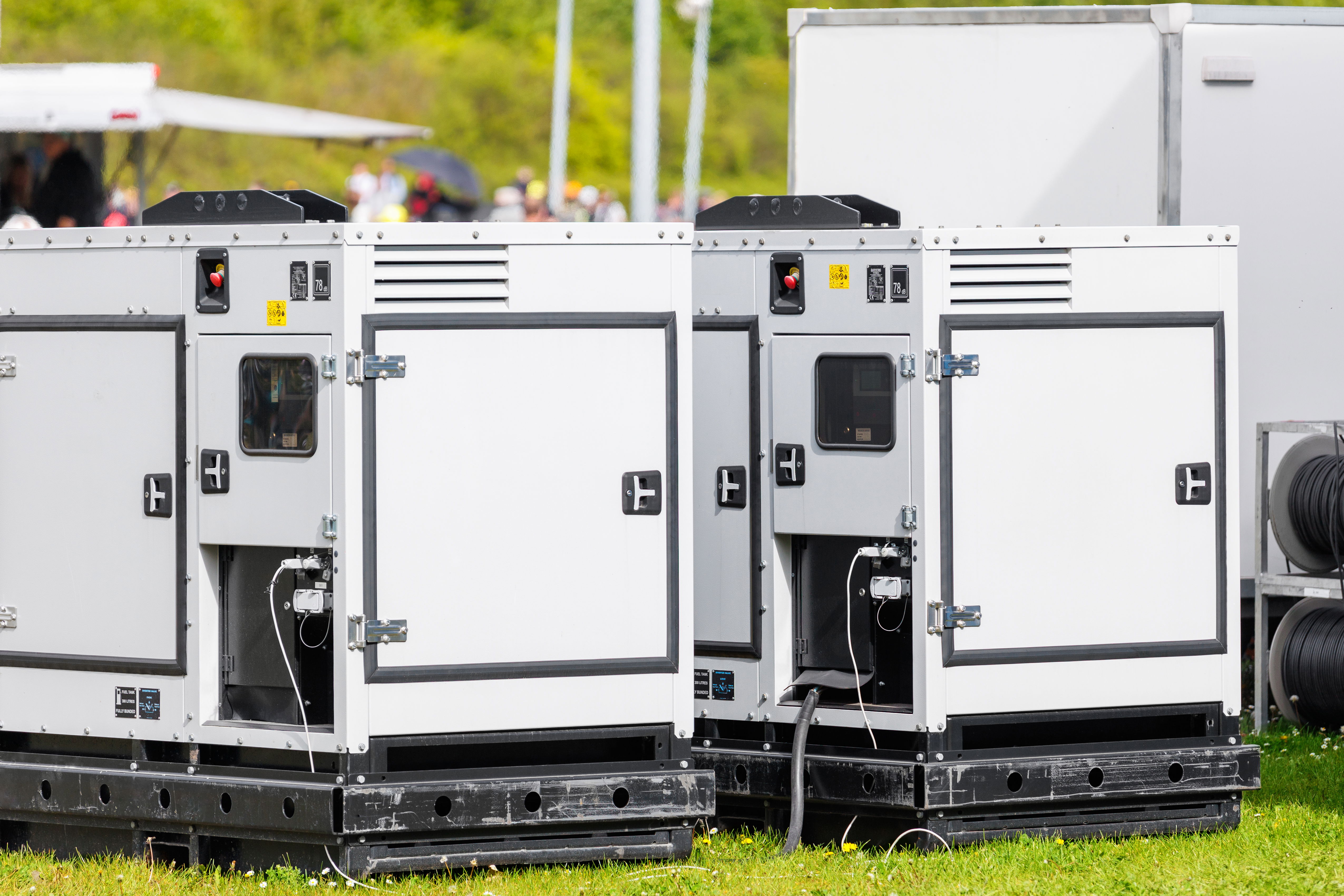
Conclusion: Generator Installation Done Right
Professional generator installation protects your investment, keeps essential systems online, and satisfies regulatory obligations. From energy audits to commissioning, each phase demands expertise and meticulous documentation. Partner with Vin Gen Trading to secure compliant installation, comprehensive training, and lifecycle support that keeps your backup power ready whenever the grid goes dark.
FAQs
How long does a generator installation typically take?
Timeframes vary, but most commercial projects take two to six weeks, accounting for permits, civil works, and electrical integration. Complex sites may require phased rollouts.
Do I need municipal approval before starting generator installation?
Yes. Most municipalities require plan submissions, noise studies, and sometimes environmental assessments. Your installer manages paperwork to keep the project compliant.
What maintenance is required after installation?
Follow manufacturer schedules for servicing and run monthly load tests. Remote monitoring and professional inspections help catch issues early and maintain warranty coverage.